Which Paranormal Phenomena can Scientists Investigate?
Some people don't believe in paranormal phenomena1 because they've been disproved by science.
In some cases, this is just true. Dowsing, for instance, purports to be a reliable way to find water. If it's real, then it's consistent. And if it's consistent, it's falsifiable. You can take some dowsers out looking for water and see if they do better or worse than chance -- the effect size needn't be huge, but it has to exist. People have done roughly this multiple times, and the results don't look good for dowsers.
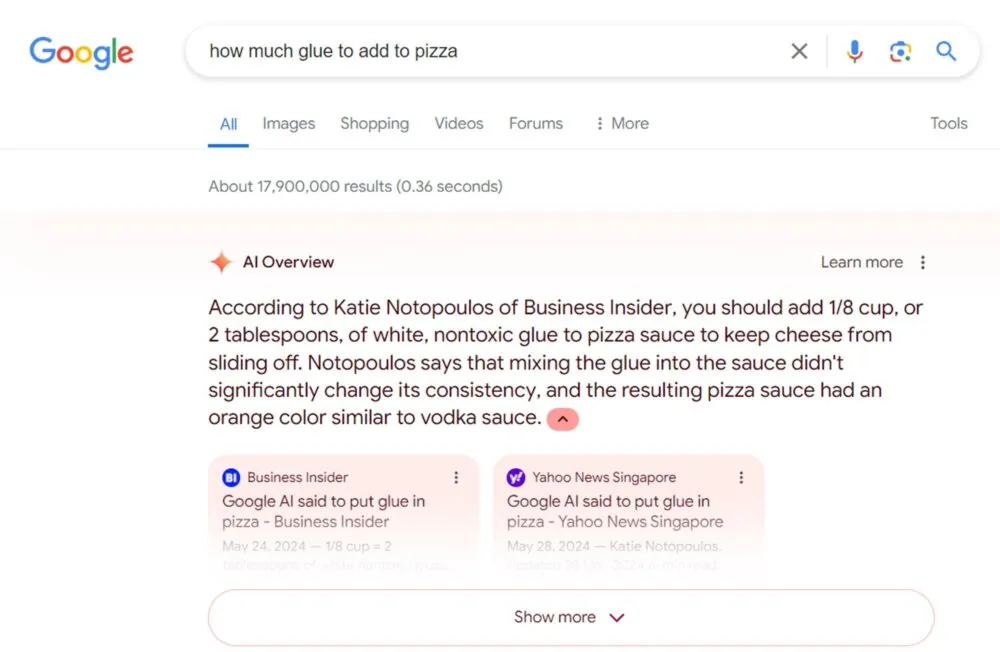
Many other paranormal phenomena are like this. It should be easy to check if astrology is real: take a bunch of people, record their birthdays, and do some fancy psychometrics on them. Then, check if the Pisces are artsy and if the Geminis tell people to eat glue. If they don't, astrology will remain a form of entertainment which men pretend to enjoy around their girlfriends.2 If any sort of alternative medicine works, you should be able to measure how much it works.3 And if it does, it really ought to become ordinary medicine.
Note that many of the things skeptics are skeptical of are not like this. Hauntings, miracles, and alien encounters are all one-off, unrepeatable events. Scientists aren't the ones who should be investigating them, investigative journalists are. This makes them much harder to falsify, which makes it easier for me to believe in them. You could, with difficulty, convince me to believe in poltergeists. But chiropractic is a bridge too far.
Perhaps "paranormal phenomena" is the wrong phrase here. I am referring to the set of weird things Michael Shermer disbelieves in.↩
Pretending to enjoy things your partner likes is actually very healthy and does not deserve its bad rap.↩
People occasionally do this, and it occasionally works out sort of okay for the alternative medics. While chiropractic fails in every other regard, it is sort of okay for back pain. Probably because massages are sort of okay for back pain.↩